Smolly Line: A Timeless Script Handwritten Font for Designers
What Is Smolly Line?
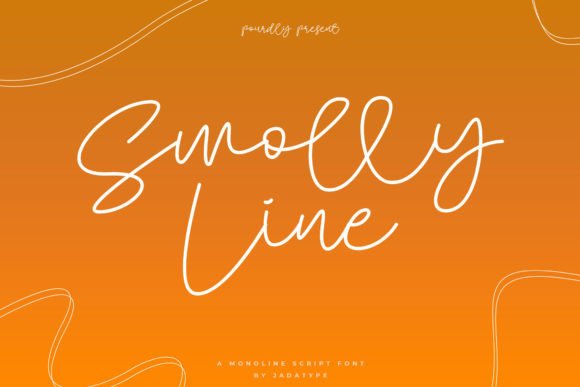
Smolly Line is a refined monoline signature script font that balances elegance with effortless readability. Designed for authenticity and warmth, it belongs squarely in the Script Handwritten category—yet stands apart through its consistent stroke weight, subtle entry/exit flourishes, and organic rhythm. Whether you're sketching a brand concept or finalizing a wedding suite, Smolly Line delivers personality without sacrificing polish. Looking to get started quickly? You’ll find a Smolly Line free download option on select platforms—but always verify licensing before use. Its clean construction makes it especially versatile among premium Script Handwritten fonts, offering both charm and clarity where many others sacrifice one for the other.
Letterforms with Intentional Character
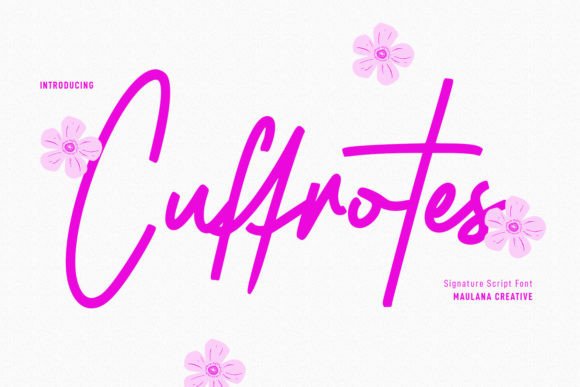
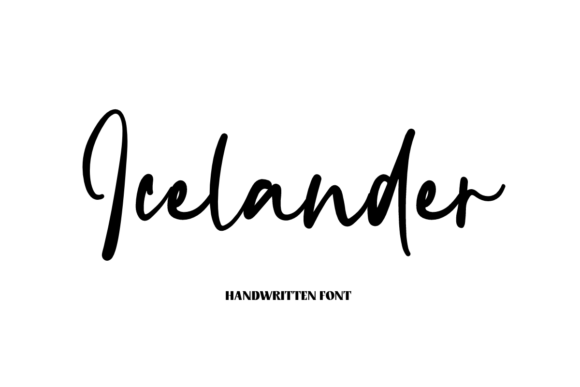
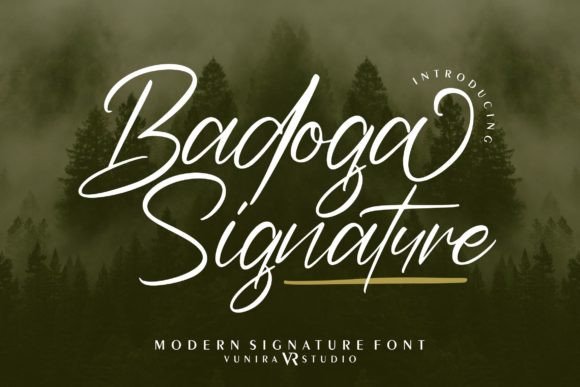
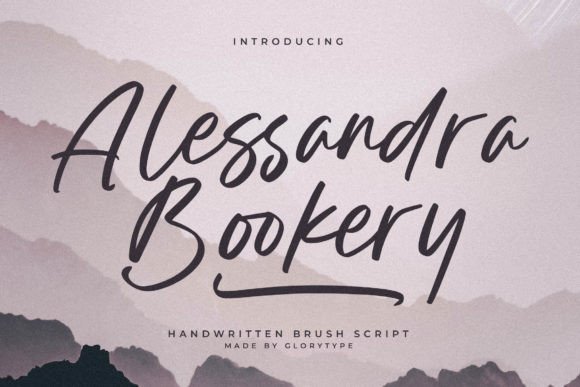
Every glyph in Smolly Line carries a gentle, hand-drawn confidence—no rigid uniformity, but no chaotic inconsistency either. The lowercase ‘g’ and ‘y’ feature soft, open loops; the uppercase ‘S’ and ‘Q’ include delicate tapered terminals. Unlike bouncy, high-contrast scripts, Smolly Line leans into restrained expressiveness—a hallmark of professional Fonts font design.
Weight & Spacing That Breathe
As a true monoline script, Smolly Line avoids thick-thin variation, making it exceptionally legible at small sizes and highly scalable for large-format applications. Its default spacing is generous—not tight like calligraphic fonts, nor loose like casual brush scripts—striking a rare balance ideal for both headlines and short quotes.
How Smolly Line Compares Visually
Compared to popular alternatives like Pacifico or Great Vibes, Smolly Line feels more grounded and less decorative. It’s less formal than Allura but more structured than Quicksand Script. That middle-ground positioning makes it a smarter choice when you need a Script Handwritten font that works across contexts—not just as ornamentation, but as functional typography.
Smolly Line for logo design
Its balanced x-height and clear letter separation give Smolly Line strong recognition at small scales—perfect for wordmarks, monograms, and icon-plus-text logos. It adds humanity to tech startups and warmth to artisanal brands alike.
Smolly Line for branding
From business cards to email headers, Smolly Line establishes tone without overwhelming supporting type. Its consistency across weights (when available) and OpenType features supports cohesive visual systems—especially valuable in rebranding projects requiring both distinction and scalability.
Smolly Line for wedding invitations and cards
The font’s graceful flow and timeless feel make it a natural fit for luxury stationery. Paired with a crisp serif for body text, Smolly Line conveys sincerity and celebration—ideal for save-the-dates, menus, and signage.
Smolly Line for posters and social media graphics
Its high legibility ensures impact even in fast-scrolling feeds or crowded bulletin boards. Use it for quote overlays, event announcements, or product highlights where emotional resonance matters as much as clarity.
Smolly Line for packaging and merchandise
Because it renders cleanly across print methods—from foil stamping to screen printing—Smolly Line adapts beautifully to labels, tags, and apparel. Its monoline nature avoids ink spread issues common with delicate scripts.
Font Pairing & Combinations
What fonts pair well with Smolly Line? Start with contrast: pairing it with a sturdy geometric sans-serif (like Montserrat or Inter) creates modern sophistication, while a classic serif (such as Playfair Display or Lora) elevates editorial or luxury contexts. For minimal layouts, try a neutral humanist sans like Nunito or Poppins—clean enough to recede, warm enough to harmonize. Avoid competing scripts or overly decorative display fonts; Smolly Line shines brightest when supported—not matched. This intentional Smolly Line font pairing strategy keeps hierarchy intact and voice consistent.
Licensing & Commercial Use
Is Smolly Line free for commercial use? The answer depends entirely on your source. Some marketplaces offer a limited personal-use version for free, while full Smolly Line commercial use requires a paid license. Always review the Smolly Line font license before deploying in client work, merch, or digital products. Reputable vendors clearly outline permissions—look for terms covering web embedding, app integration, and resale rights. When in doubt, opt for the official license: it’s inexpensive insurance against legal friction and supports continued development of quality Script Handwritten fonts.
How to Download & Use Smolly Line
You can find a download Smolly Line font free version on platforms like CreativeFabrica (often as part of a bundle) or select free-font directories—but again, confirm usage rights. For guaranteed flexibility and support, purchasing directly from the designer or an authorized reseller is recommended. Once installed, using Smolly Line in Canva is seamless via upload; in Photoshop, it appears in your font menu after installation; in Word, it behaves like any system font—just ensure embedding permissions are enabled if sharing documents externally. These practical steps make how to use Smolly Line in Canva/Word/Photoshop straightforward for designers at every level.
Designer Notes & Tips
Before finalizing, test Smolly Line in black-and-white at actual output size—some scripts lose nuance in grayscale or small formats. Also, preview kerning pairs like “To”, “Wa”, and “Fr”: minor adjustments often improve rhythm significantly. Wondering how Smolly Line vs similar font options compare? Run side-by-side tests with your top two contenders in real layout contexts—not just specimen sheets. And remember: even the best Script Handwritten font won’t compensate for poor hierarchy or weak composition. Let Smolly Line do the emotive heavy lifting—then step back and let it breathe.